Understanding IaaS, PaaS and SaaS
Compare the layers you operate, delegate and pay for in common cloud delivery models.
A retailer is replacing a custom stock dashboard and comparing a virtual machine, a managed application platform and a subscription product. The right service level transfers tasks that add little business value while retaining necessary control. The following guide treats the problem as a working decision: what needs to happen, what the technology actually provides, and which observations can support a choice.
Separate shared infrastructure costs from the demand attributable to one application. A resource that remains allocated between traffic peaks has different cost behavior from a usage-metered execution service. To compare the two, capture operating hours, data transfer, requests and retention, including resources maintained for recovery or testing. This avoids making a decision based only on the cheapest visible unit price.
Infrastructure
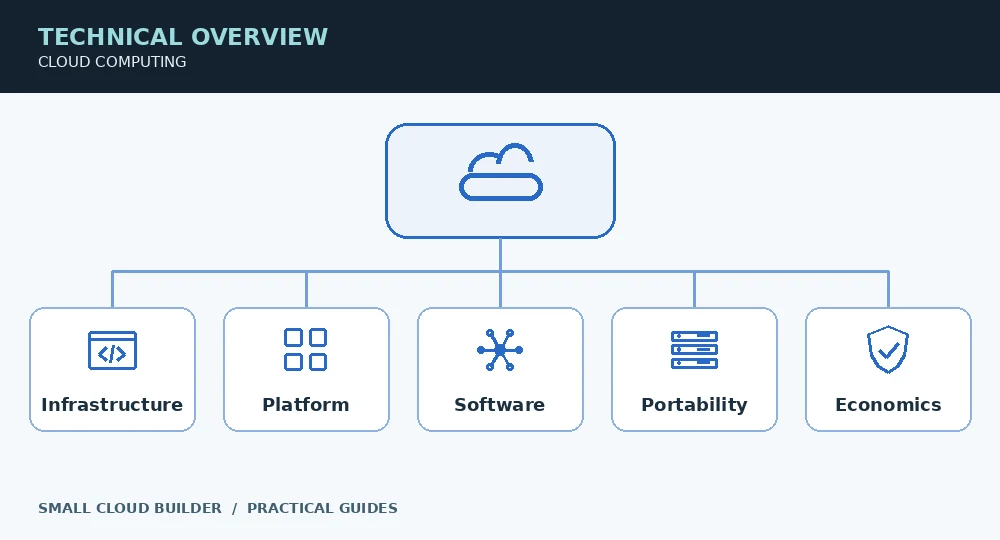
With IaaS you control guest operating systems, network configuration and software installation; the provider operates the underlying infrastructure.
A demonstration can be misleading when it uses a perfectly prepared environment. The useful question is what happens during routine work. List the tasks an administrator performs today on the underlying operating system. Use an ordinary sample, with enough variation to reveal common problems but without requiring live customer records. Where behavior differs between a new environment and the existing one, establish which difference matters to the business before making a choice. Keep a record of errors and unexpected constraints as well as successes. An inconclusive test is a reason to refine the experiment, not a reason to assume that infrastructure has been solved.
The people who carry out routine work may notice different problems from the person who set up the system. Include their observations, particularly repeated manual steps or confusing states. These details can dominate the long-term effort even when the underlying technology performs well.
Platform
PaaS supplies a runtime and deployment service. Check supported frameworks, scaling limits and how application state persists.
A less obvious part of platform is the boundary between an individual task and the system around it. Deploy a representative app to the platform and examine supported runtime options. Check the environment before and after the exercise, making sure unrelated records or settings have not changed. Record any dependencies required for success and distinguish permanent requirements from one-time setup work. A process that depends on a temporary test account, a particular device or an undocumented configuration may need additional work before it is ready for normal use. Leave room in the plan for that discovery rather than committing to a launch date on the strength of a first successful attempt.
There is no need for a large spreadsheet if a short set of observations is sufficient. The purpose is to make the decision traceable, distinguish known limitations from speculation and preserve enough information to investigate a reported problem later.
Software
SaaS is usually licensed per user or usage unit. Administrative settings, identity lifecycle and export quality remain customer concerns.
A written requirement is most valuable when it can be tested without guessing what the author meant. Export one complete account or workspace from the proposed subscription. Establish a meaningful threshold for the result, whether that is correctness, usable response time, preservation of records or successful access by the intended person. Do not silently revise the threshold after seeing a disappointing outcome; instead, decide whether the business requirement itself has changed. Even a modest record of test results helps a small team make later decisions about software without relying on a recollection of which option looked most convincing during the initial evaluation.
Treat a successful result as evidence for the particular situation that was tested. Changes to the environment can alter that behavior. A lightweight regression check after important changes makes it easier to identify when a previously dependable assumption no longer holds.
For another perspective on the same infrastructure or workflow decision, see How Cloud Billing Works: Estimate and Control Costs. Compare the requirements it identifies with the constraints in your own environment.
Portability
Map data formats and application dependencies before committing to a platform. Infrastructure scripts do not necessarily translate to another service.
Consider a basic dashboard that reads daily sales. An IaaS host permits arbitrary background tools, but a PaaS runtime may already provide deployment and logging appropriate to the job. An off-the-shelf SaaS dashboard might remove the application entirely, assuming access to the sales data and sufficient export capabilities.
Separate the initial selection from the evidence that supports it. Compare a custom feature request against the limitations of the candidate service. The test should be small enough that a mistake is reversible and sufficiently representative that the result can guide a decision. Record what direct observation establishes and what remains an assumption. For example, one successful run says little about unusual inputs or a much higher level of demand. Use the first observation to decide what another test ought to cover. As work moves from evaluation into routine operation, revisit the assumptions about portability rather than leaving them frozen in the original proposal.
It is worth writing down any restriction discovered during the check, including one that does not affect the present workload. A future maintainer may not have the same assumptions about data size, supported devices or how often the procedure needs to run.
Economics
Include engineering time, compliance evidence and maintenance downtime alongside monthly fees.
Start with what is already observable. Calculate twelve months of service fees and realistic administration hours. Write down the result alongside the original expectation. A useful comparison keeps the workload and the surrounding conditions stable; differences in sample size, connection quality or a change made elsewhere in the system can otherwise distort the conclusion. The value of this check is not that it proves the entire design. It exposes whether the assumption about economics holds under a recognizable working condition, and whether somebody has enough information to repeat the observation later without reconstructing the whole experiment from memory.
If the exercise requires temporary privileges or a special configuration, separate those from what the finished system actually needs. Remove temporary access when it is no longer required and document the configuration that the team expects to keep.
Putting the findings to work
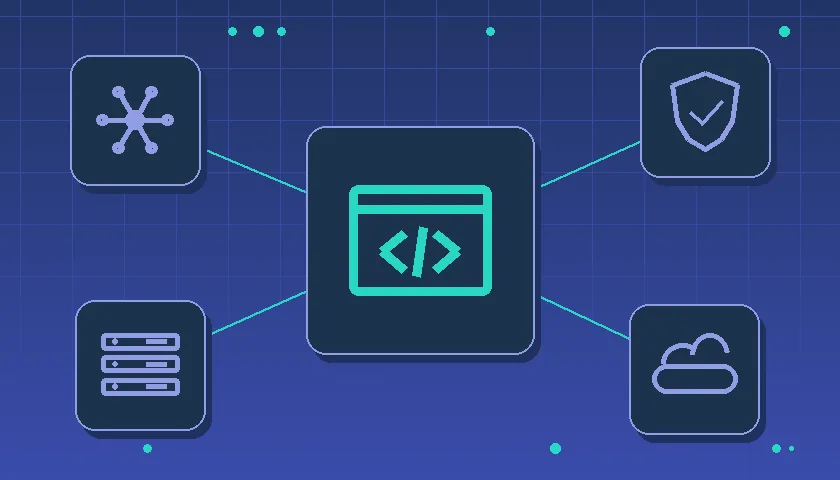
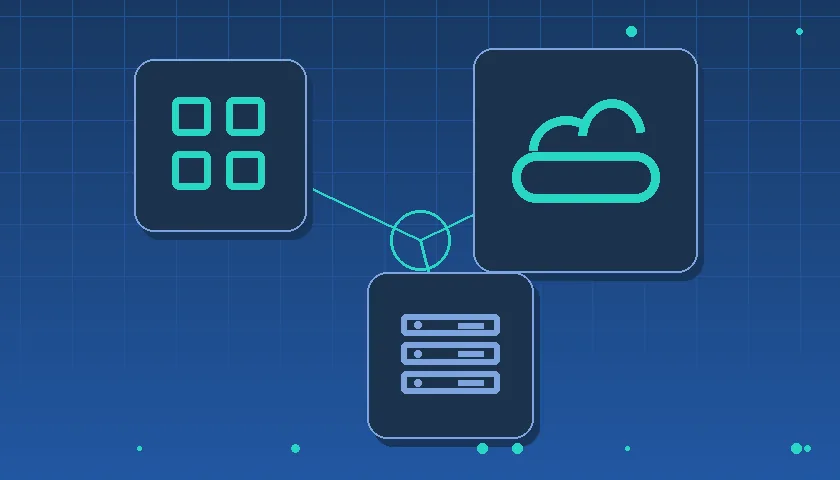
Cloud infrastructure splits responsibility across multiple control layers. Physical facilities, network services, guest systems, managed runtimes, application configuration and data can all have different operators. A hosting invoice may list a resource that looks self-contained even though it depends on identity services, DNS, monitoring and recovery storage. Draw the few boundaries that matter for this workload first. In the event of a problem, they are often more useful than a diagram showing every available cloud service.
For a short review before making the decision, return to the concrete checks from the guide:
- List the tasks an administrator performs today on the underlying operating system.
- Deploy a representative app to the platform and examine supported runtime options.
- Export one complete account or workspace from the proposed subscription.
- Compare a custom feature request against the limitations of the candidate service.
- Calculate twelve months of service fees and realistic administration hours.
The right service level transfers tasks that add little business value while retaining necessary control. Keep the key observations available to the people responsible for the system, with enough detail to revisit the decision when the workload, tools or business requirements change.
Related guide: Containers vs Virtual Machines. Decide when to isolate applications with containers and when to retain guest operating systems.
Related guide: Static Sites vs Dynamic Websites. Compare rendering models, content management and operational requirements.